
Dental Implants in Natick, MA
Replace one missing tooth or a whole arch with implants placed right here in our office by Tufts-trained periodontist Dr. Hidetada Moroi.
Mon–Fri 9 a.m.–6 p.m. · Sat 9 a.m.–1 p.m.Takes about a minute
- Placed by a periodontist
- In-office, local anaesthetic
- 94–98% success rate
- Most insurance accepted
- Where
-
17 Worcester St (Rt 9 West), Natick, MA 01760
Get directions - Hours
-
Monday to Friday, 9 a.m. to 6 p.m.
Saturday, 9 a.m. to 1 p.m. - Your specialist
-
Dr. Hidetada Moroi, periodontist
Training & experience - Implant problem?
-
Loose or broken crown — call us.
(508) 655-5757
Dental implant options
A dental implant is a small titanium post that replaces the root of a missing tooth. It fuses with your jawbone, and a crown, bridge or denture is fixed on top. Here is what we can do with them.
-
Single tooth implant
One missing tooth replaced with an implant and a porcelain crown — without filing down the healthy teeth either side.
Learn more -
Several missing teeth
Two or more implants supporting a fixed bridge, so a longer gap is filled without a removable partial.
Learn more -
Implant-supported dentures
Implants that anchor a partial or full denture, so it stays put when you eat and speak — no slipping, no adhesive.
Learn more -
Bone grafting
Where bone has shrunk after a lost tooth or gum disease, grafting rebuilds it so an implant has something solid to hold.
Learn more -
Implant crowns
The visible tooth on top, made in porcelain and shade-matched by our restorative dentist so nobody can tell which one it is.
Learn more -
Implant repair & check-ups
Loose or chipped implant crowns fixed, and the gum around your implants kept healthy so they last.
Learn more
The dental implant procedure, step by step
Everything happens in our Natick office, with the same team from the first consultation to the final crown.
-
Consultation & plan
An exam and X-rays to check your gums and bone. Dr. Moroi and your general dentist plan the implant together, and you get the costs before deciding.
-
Preparation, if needed
Some patients need a tooth removed or a bone graft first. Many do not — you will know at the consultation.
-
Implant placement
The implant is placed during a routine visit in our office, under local anaesthetic. It then bonds with the jawbone over the following months.
-
Your new tooth
Once the implant is solid, a porcelain crown, bridge or denture is fitted on top — shaped and shaded to match your smile.
Not sure an implant is right for you? A consultation is the way to find out — book one online or call (508) 655-5757.
Find out if you’re a candidate for implants.
One consultation with Dr. Moroi: an exam, X-rays and a written estimate before anything is booked.
Advantages and disadvantages of dental implants
Implants are the closest thing to a natural tooth, but they are not the right answer for everyone. Here is the honest picture.
Advantages
- Looks and feels like a real tooth. Fixed in the jaw, so there is nothing to take out at night.
- Leaves your other teeth alone. A bridge needs the teeth either side filed down; an implant stands on its own.
- Chew and speak normally. No slipping or clicking, and no denture adhesive.
- Built to last. With good cleaning and check-ups, an implant can last a lifetime.
- Highly predictable. Success rates run between 94 and 98 percent — higher still for non-smokers with good oral hygiene.
Disadvantages
- It is a surgical procedure. Minor and done under local anaesthetic, but still surgery, with a few days of tenderness afterwards.
- It takes months, not weeks. The implant needs time to bond with the bone before the final tooth goes on.
- Higher cost up front. Implants cost more than a denture or bridge at the start, though they usually outlast both.
- You may need a bone graft first. If the bone has shrunk, it has to be rebuilt before an implant can go in.
- Not right for everyone yet. Active gum disease has to be treated first, and heavy smoking or uncontrolled diabetes lowers the success rate.
Implant, bridge or denture?
All three replace missing teeth. This is how they compare — and we will talk through which suits you at your consultation.
| Feature | Dental implant | Bridge | Denture |
|---|---|---|---|
| Feels like | A natural tooth | A natural tooth | A removable appliance |
| Neighbouring teeth | Untouched | Filed down to hold the bridge | Partials clip onto them |
| Jawbone | Helps preserve it | Can shrink under the gap | Can shrink over time |
| Take it out? | No — fixed | No — fixed | Yes, to clean and at night |
| How long it lasts | Can last a lifetime | Many years, then replaced | Relined and remade over time |
| Cost up front | Highest | Moderate | Lowest |
| Time to finish | Several months | A few weeks | A few weeks |
Already wear a denture? Implants can anchor it so it stops moving — ask about implant-supported dentures.
Is dental implant surgery painful?
Less than most people expect. The implant is placed under local anaesthetic, so you feel pressure rather than pain. If you are anxious, tell us — we will talk you through each step and discuss other comfort options.
Afterwards, expect some tenderness and swelling for a few days, usually managed with over-the-counter pain relief and soft food.
Emergency dental implant repair in Natick
Call us the same day if you notice:
- An implant crown that is loose, wobbly or has come off
- A chipped or cracked crown, bridge or implant denture
- Pain, swelling or bleeding around an implant
Keep any piece that comes off and bring it with you. We hold time each day we are open for urgent problems.
The longer the gap, the more bone you can lose.
After a tooth is lost, the jawbone under the gap can shrink — and if it does, you may need a bone graft before an implant can go in.
Mon–Fri 9 a.m.–6 p.m. · Sat 9 a.m.–1 p.m.Your implant specialist in Natick
Implants at Copley Dental are placed by Dr. Hidetada Moroi, a periodontist — a dentist with advanced specialty training in the gums and jawbone that implants depend on. Your crown is then made by our restorative dentist, Dr. Charles Badaoui, so one team handles the whole job.
- Graduate of Tufts University School of Dental Medicine
- Certificate in Advanced Education in Periodontology, Tufts University
- Assistant Clinical Professor in Periodontics at Tufts
- Placing dental implants at Copley Dental Natick since 2004
- Lectures internationally; member of the ADA and American Academy of Periodontology
-
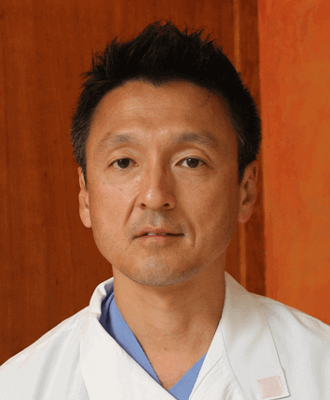 Dr. Hidetada Moroi Periodontics and Dental Implants
-
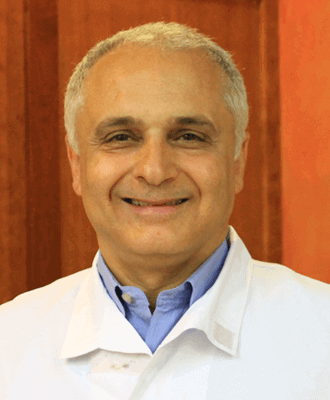 Dr. Charles Badaoui Cosmetic and Restorative Dentistry
Dental implant questions
How much do dental implants cost in Natick?
It depends on how many teeth are being replaced, whether you need a bone graft, and what goes on top — a crown, a bridge or a denture. After your consultation you get a written estimate before anything is booked. Implants cost more up front than a bridge or denture, but they usually last far longer.
Does dental insurance cover implants?
Coverage varies from plan to plan — some pay toward part of the treatment, others do not cover implants at all. Check your benefits with your insurer — we can tell you what to ask — and we can file the claims for you.
Is dental implant surgery painful?
The implant is placed under local anaesthetic, so you should feel pressure but not pain during the procedure. Afterwards most people have some tenderness and swelling for a few days, which is usually managed with over-the-counter pain relief.
How long does the whole implant process take?
Placing the implant takes a single office visit. The longest part is healing: the implant needs several months to bond with the jawbone before the final crown, bridge or denture is fitted. If you need a bone graft first, that adds time.
How long do dental implants last?
Implants integrate into the jawbone and have been in patients’ mouths for decades. With good brushing, flossing and regular cleanings, your implant should last a lifetime. The crown on top may eventually need replacing through normal wear.
What is the success rate of dental implants?
Between 94 and 98 percent. For non-smokers with good oral hygiene, the success rate is closer to 100 percent.
Am I a candidate for dental implants?
Most adults who are missing teeth can have implants. You need healthy gums and enough bone to hold the implant — and if the bone has shrunk, grafting can often rebuild it. Heavy smoking and uncontrolled diabetes lower the success rate, so we talk those through at your consultation.
My implant crown is loose or broken. What should I do?
Call (508) 655-5757 as early in the day as you can. A loose or chipped implant crown can often be tightened or repaired, and we hold time each day we are open for urgent problems. Pain or swelling around an implant should always be seen quickly.
Where do you place dental implants near me?
Implants are placed in our office at 17 Worcester St on Route 9 West in Natick, MA 01760 — a short drive from Framingham, Wellesley, Wayland, Sherborn and Dover.
Missing a tooth? Find out if implants are right for you.
Book a consultation with Dr. Moroi. You will leave knowing your options, how long treatment takes and what it costs — and you decide from there.
Problem with an existing implant? See emergency implant repair.